Dance and movement guide

Understand your movement before taking the next step.

Explore the foundations of dance, discover how different techniques shape movement, and identify skills worth developing in class. This guide helps you prepare thoughtful questions, choose meaningful practice goals, and approach your dance journey with curiosity and confidence.

Illustration representing dance movement patterns, choreography, and studio practice

Dance skill and practice guide

Foundation

Movement Basics

Explore posture, balance, coordination, and simple combinations to become more comfortable with fundamental dance movements.

Recommended first step: practise basic movement patterns
Develop

Rhythm and Musicality

Learn to recognise beats, follow changes in tempo, and connect your movements with the rhythm and character of the music.

Recommended first step: practise counting and timing
Focus

Technique and Control

Work on movement precision, transitions, body awareness, and controlled execution when familiar combinations become challenging.

Recommended first step: ask for technique feedback
Explore

Creative Expression

Discover how dynamics, musical interpretation, and personal style can bring choreography to life during practice and performance.

Recommended first step: experiment with expressive movement
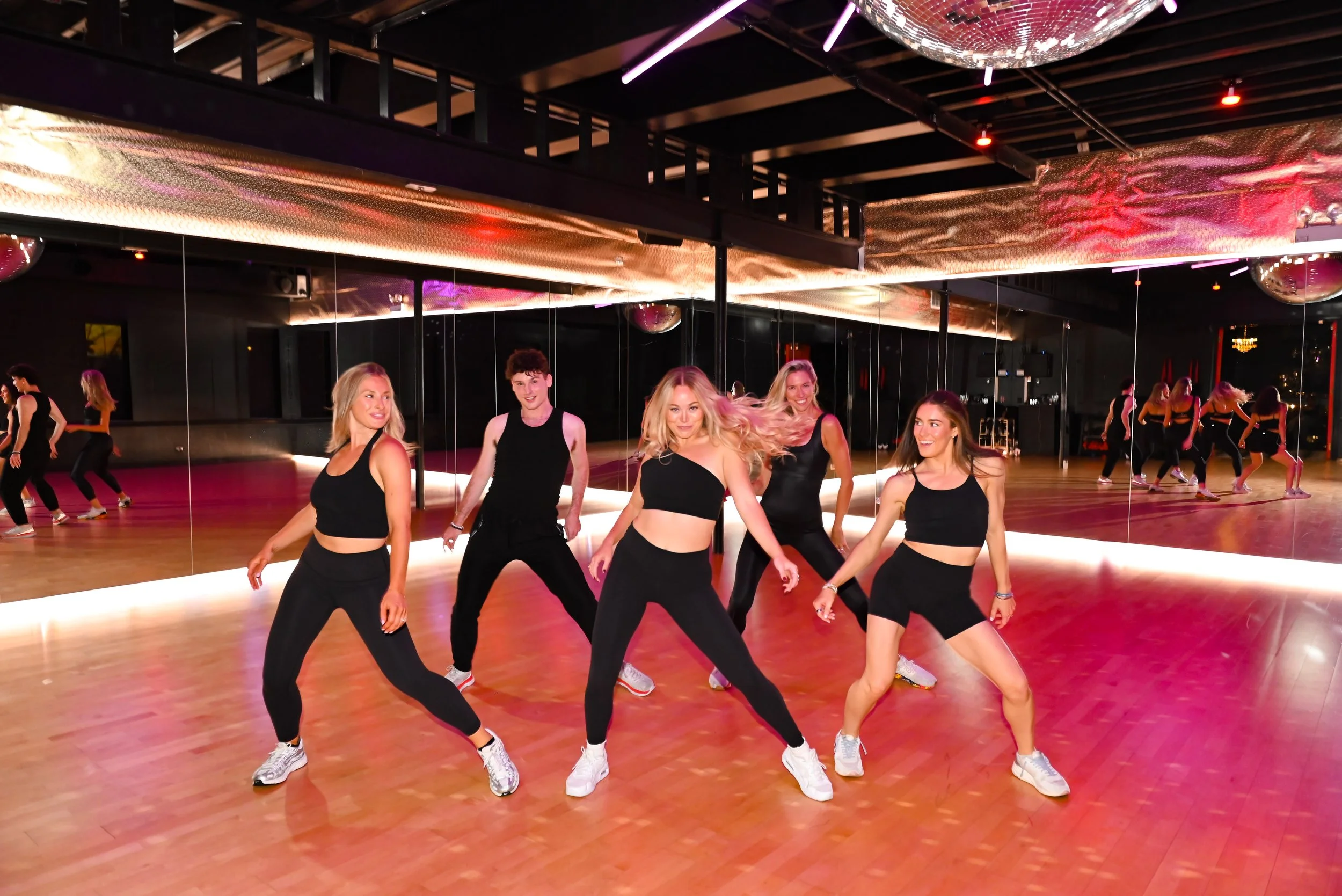
Dance practice illustration showing choreography, movement technique, and studio learning

What this guide cannot replace

  • Individual instruction that observes your movement, posture, coordination, and technique in practice.
  • Class recommendations tailored to your experience, preferred dance style, learning goals, and physical capabilities.
  • Confirmed information about class schedules, instructor availability, participation requirements, and any applicable fees.
  • Professional guidance when a movement causes pain, feels unsafe, or raises concerns about your physical readiness.

Dance development planning guide

Coordination and controlUnfamiliar steps, rapid transitions, or complex combinations can make it difficult to maintain smooth and consistent movement.Break the sequence into manageable sections, practise at a comfortable pace, and seek instructor feedback.
Choosing a dance styleDifferent styles place different emphasis on rhythm, technique, energy, musical interpretation, and movement quality.Explore class descriptions, consider the music and movements you enjoy, and choose a session that suits your current experience.
Building a practice routineInconsistent rehearsal, unrealistic goals, and insufficient recovery can make it harder to develop skills steadily.Set achievable practice targets, warm up appropriately, review progress, and allow time for rest between demanding sessions.