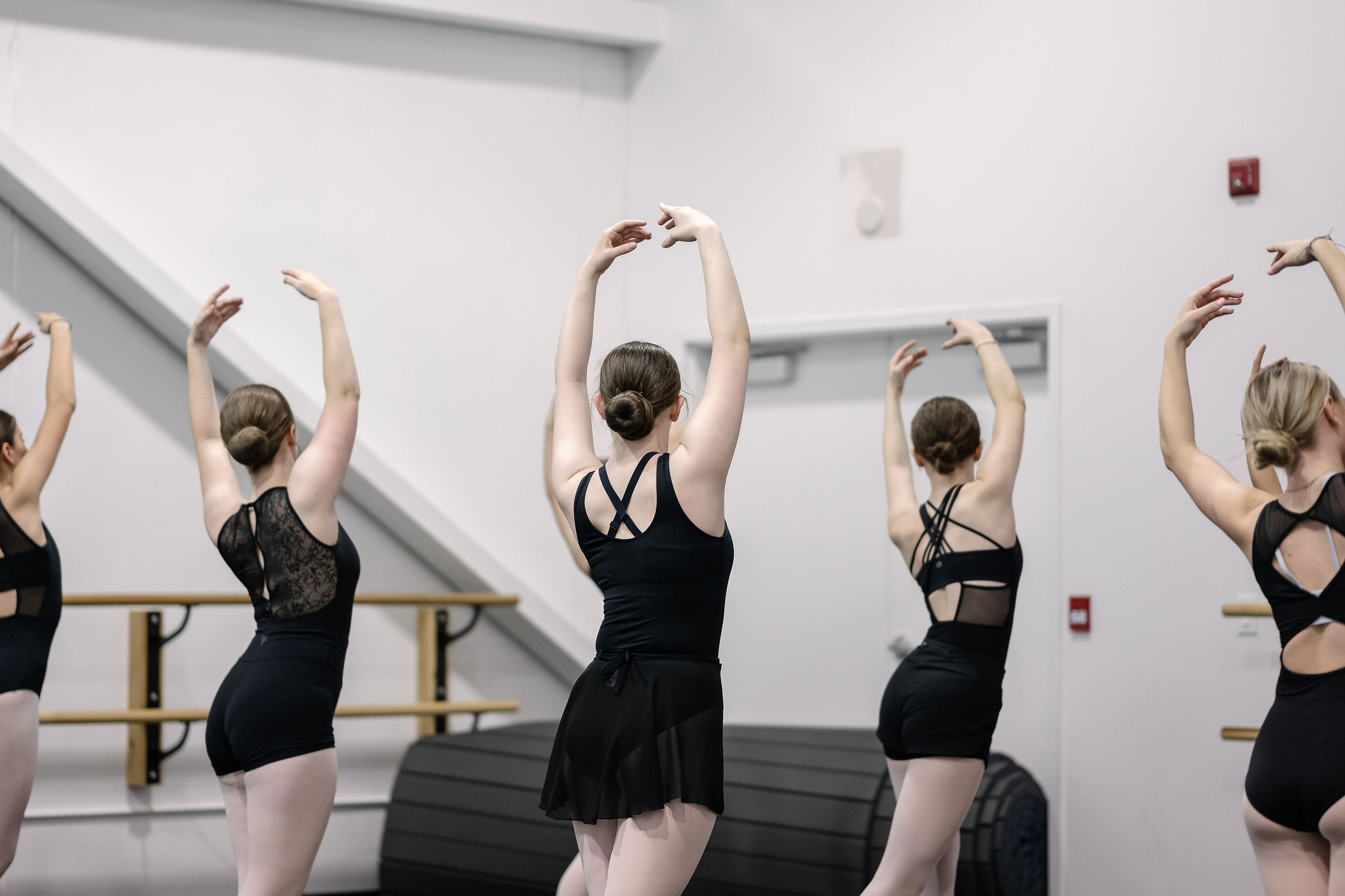
The movement or combination is being learned through repetition, demonstration, and focused attention.
Dance progress and studio development
Every rehearsal creates an opportunity to grow.
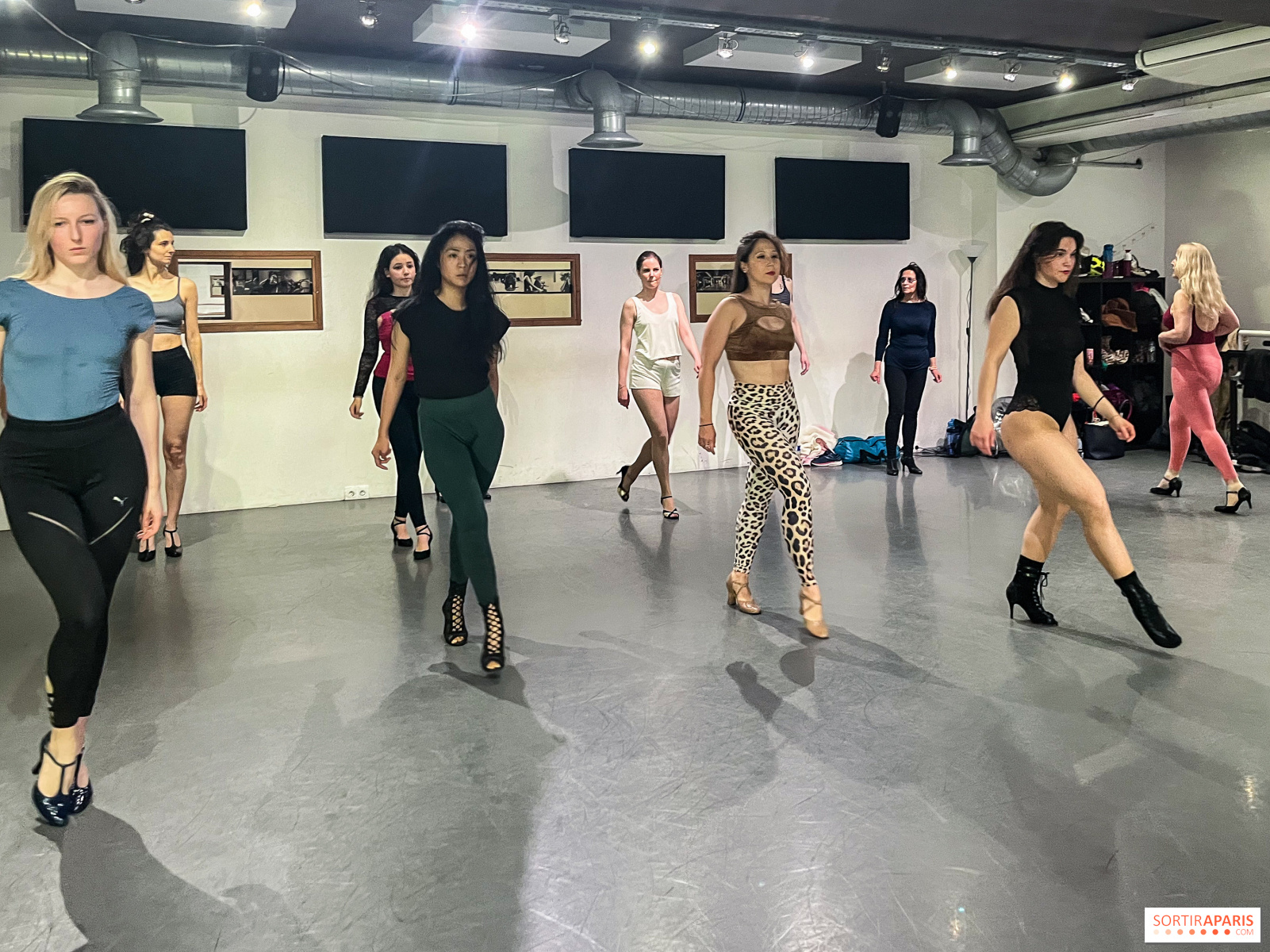
ALL STARS encourages dancers to track their development, reflect on class experiences, and turn feedback into practical goals. Recording the skills you've explored, combinations you've learned, and areas you'd like to strengthen can make your dance journey more focused and rewarding.
Dance practice and progress tracker
| Dance skill | What to practise | Progress status | Area to improve | Recommended action |
|---|---|---|---|---|
| Basic steps and coordination | Practising foundational movements, directional changes, posture, and balance | Review and repeat | Unsteady transitions or difficulty coordinating different movements | Break combinations into smaller sections and practise slowly |
| Musicality and timing | Listening for beats, recognising rhythm changes, and matching movement to the music | Continue developing | Rushing sequences or losing timing during faster sections | Count the rhythm and rehearse with music at a manageable tempo |
| Choreography and memory | Learning sequences, remembering transitions, and connecting movements smoothly | Rehearsal review | Forgotten sections or uncertain transitions between combinations | Repeat short sequences before joining them into the full routine |
| Expression and performance | Exploring movement quality, stage awareness, dynamics, and confident presentation | Reflect and refine | Restricted movement, inconsistent energy, or uncertainty about interpretation | Choose one expressive goal and apply feedback during the next rehearsal |
A skill may benefit from slower practice, clearer movement breakdowns, or additional instructor feedback.
The basic sequence is becoming familiar, allowing more attention to timing, transitions, and movement quality.
The current practice target has been reached, and a new challenge or maintenance routine can be considered.
When your learning plan needs to change
A dance goal may need adjustment when a sequence remains difficult, class pace feels unfamiliar, timing becomes inconsistent, or a movement requires more control than expected. Revisiting the fundamentals, asking for clarification, or dividing choreography into shorter sections can make a challenging skill easier to approach. Rest and appropriate warm-ups also matter when building a sustainable practice routine.
Useful progress notes separate what you can already perform comfortably from the areas that still need attention. Recording instructor feedback, successful repetitions, and specific questions gives each rehearsal a clearer purpose and helps you choose realistic next steps without expecting every skill to develop at the same speed.