Think about what you want from dance, whether that means learning the basics, improving coordination, expressing yourself through movement, or developing more advanced choreography skills.
Dance styles and class planning
Find the rhythm, style, and class that fit you.
Explore the elements that shape your dance experience, from movement style and musicality to technique, coordination, and creative expression. ALL STARS helps dancers consider their interests, experience, and personal goals before choosing classes that encourage steady progress and make every session worth looking forward to.
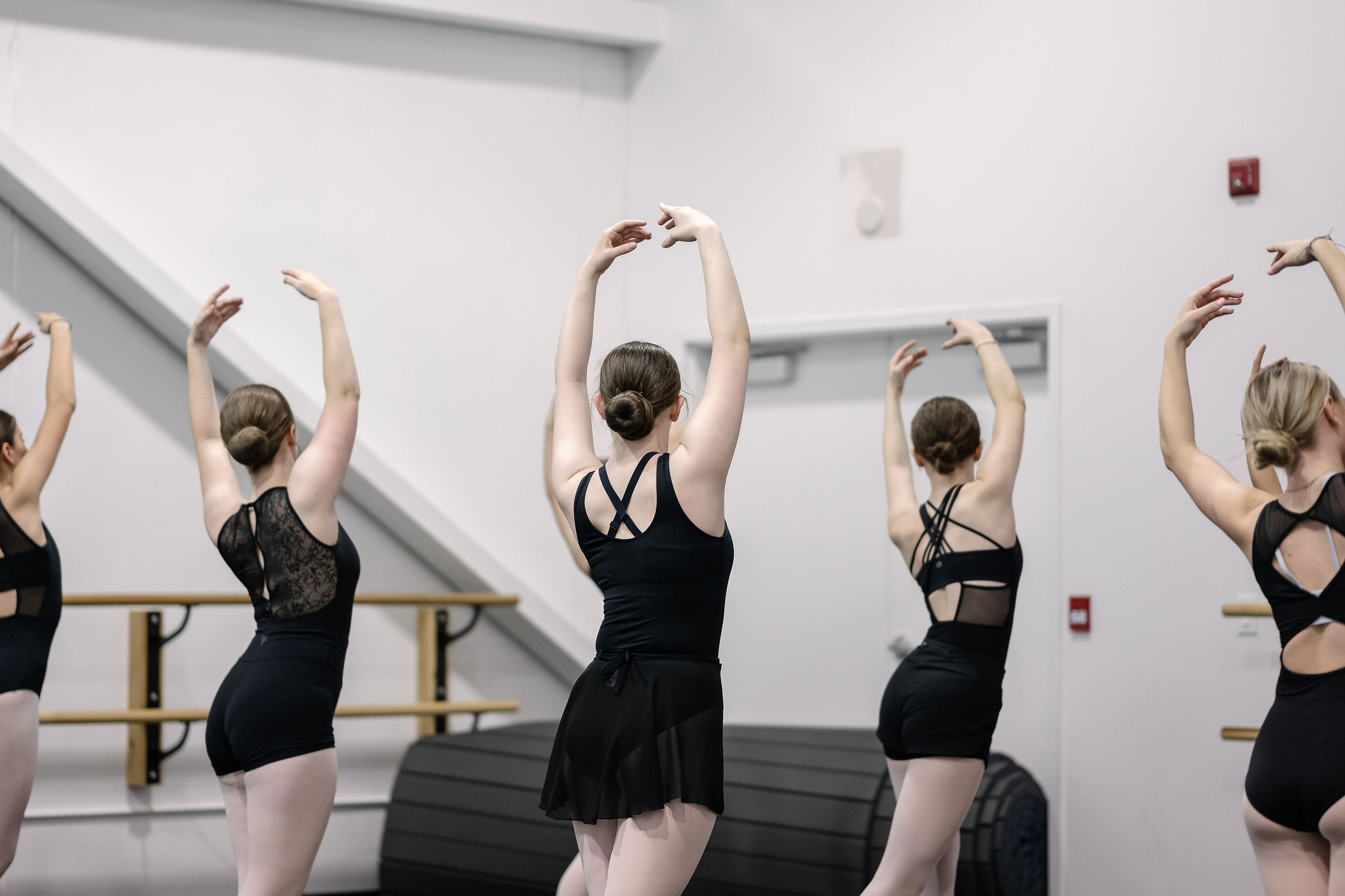
Explore your dance priorities
Use these starting points to identify what matters most to you, then choose classes that match your interests, current ability, and preferred way of learning.
Explore different movement qualities, musical approaches, class formats, and levels of intensity to discover which styles feel engaging and suit your preferences.
Consider class level, comfortable clothing, suitable footwear, hydration, and the skills you would like to practise before stepping onto the dance floor.
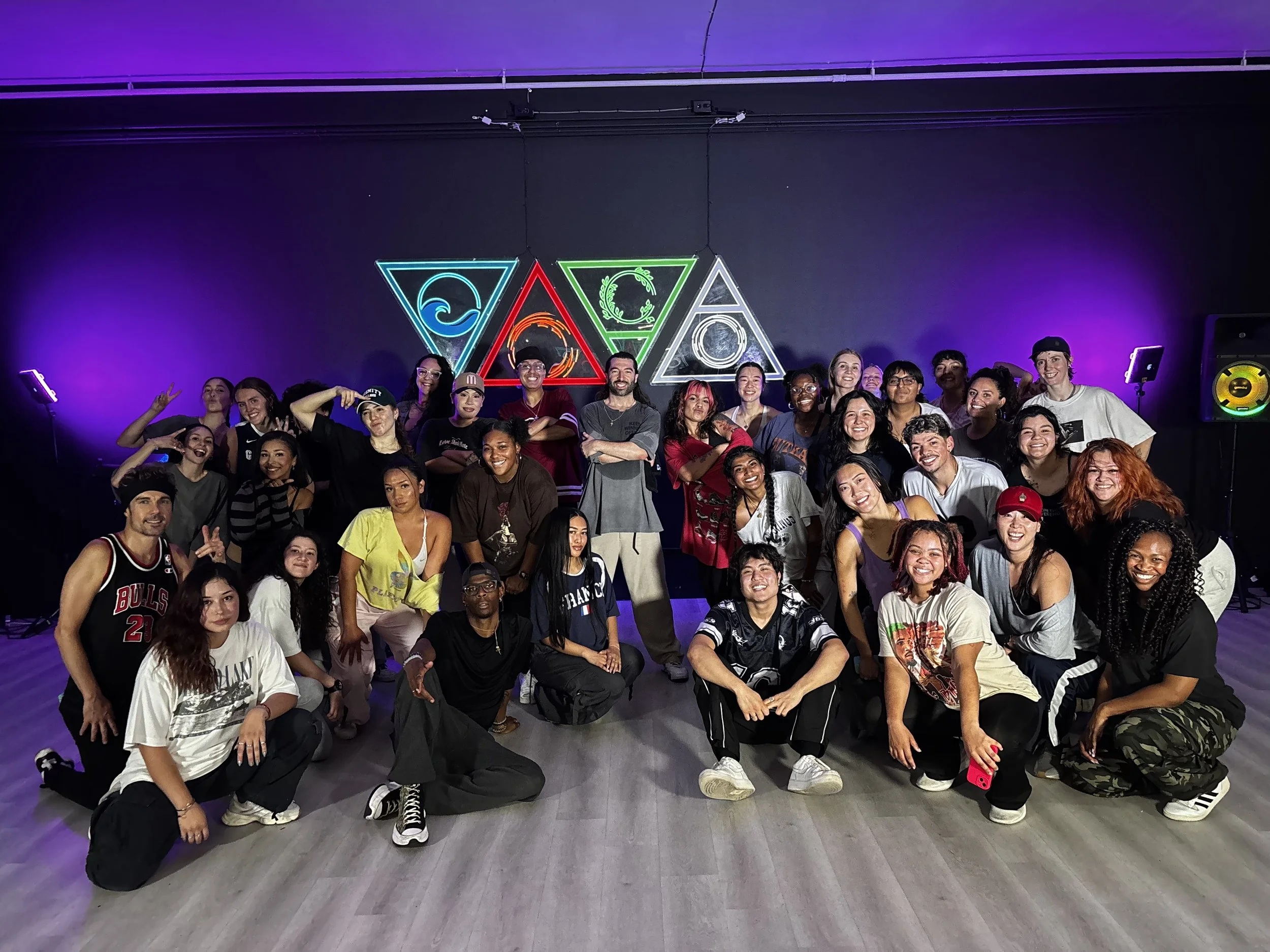
The right class supports your individual journey.
Choosing a dance class involves more than picking a style that looks exciting. Consider the pace of instruction, the movement vocabulary, the amount of technique practice, and the opportunities for individual expression. ALL STARS encourages dancers to explore these details so they can make informed choices, set realistic goals, and enjoy a learning experience that develops with them over time.
- Movement: explore coordination, balance, posture, transitions, and the foundational steps used in different dance styles.
- Musicality: practise listening for rhythm, recognising changes in tempo, and connecting movement to the mood and structure of music.
- Ongoing growth: consider practice routines, instructor feedback, workshops, and opportunities to revisit combinations and refine technique.
Common questions when choosing a dance class
| Consideration | What to look at first | Priority level | Suggested next step |
|---|---|---|---|
| New to dance | Look for beginner-friendly instruction, clear demonstrations, and time to practise foundational movements | High | Choose an introductory class and focus on learning at a comfortable pace rather than mastering every step immediately |
| Developing technique | Review the class level, movement complexity, feedback opportunities, and the skills covered in each session | Medium to high | Select a class that challenges you while leaving enough time to practise and improve your technique |
| Finding a preferred style | Consider the music, movement quality, class atmosphere, and creative approach associated with each style | High | Try different classes or workshops and notice which formats keep you motivated to participate |
| Building a regular routine | Review class schedules, personal availability, energy levels, and the time you can set aside for practice | Planned review | Create a realistic weekly routine and adjust your class choices as your confidence, interests, and abilities develop |